
As governance expectations continue to evolve across Africa, adaptability in audit is no longer optional. Today’s audit professionals are expected to do far more than assess controls and identify findings — they are increasingly becoming strategic advisors who help organizations navigate complexity, strengthen resilience, and make smarter, data-driven decisions.
Technology, automation, and AI are transforming the way organizations approach governance, risk, and compliance. But alongside these advancements, the profession still depends heavily on critical thinking, communication, adaptability, and professional judgment.
Meet Auditor: Hemita Govind
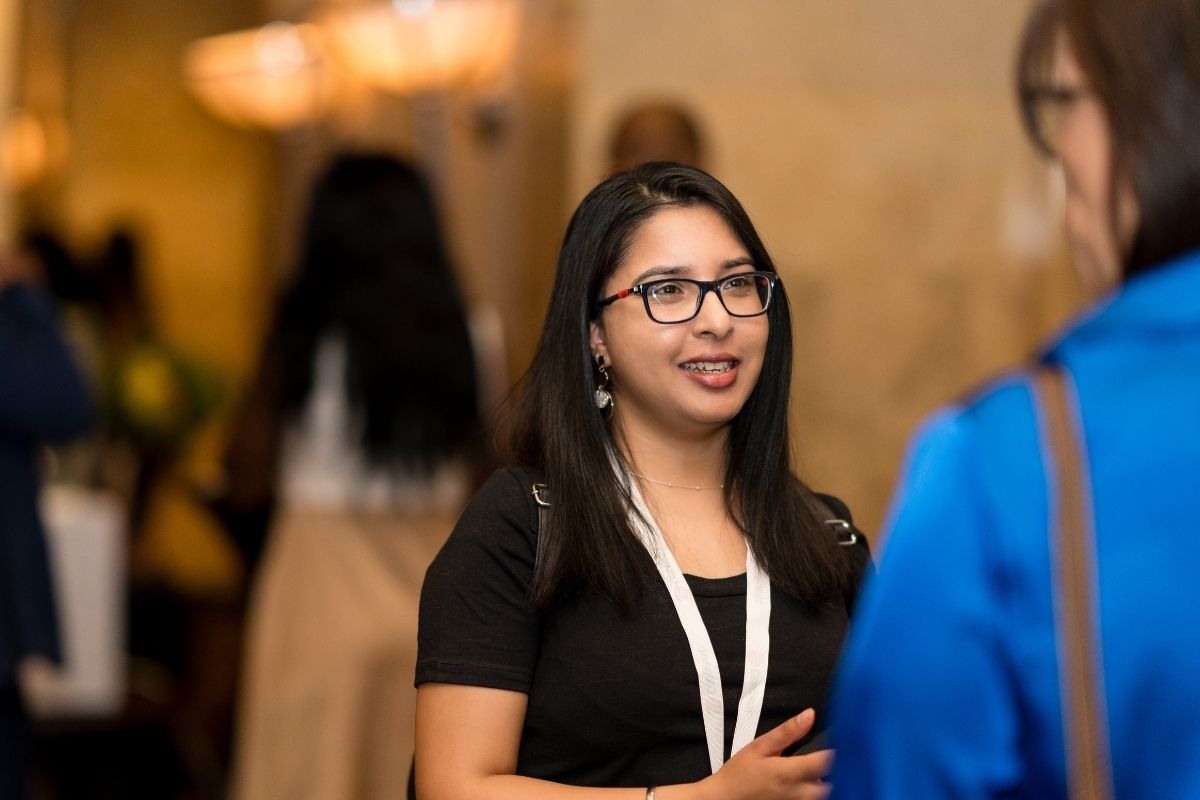
For this edition of our “Meet the Auditor” series, we spoke to Hemita Govid, Functional Consultant at Revival Holdings, about her journey from traditional internal audit into the world of data analytics and GRC technology, and how adaptability in audit is key for African organizations.
Tell us about your role at Revival
I am a Functional Consultant at Revival Holdings, where my primary responsibilities include configuring the Diligent One platform across risk, audit, and compliance functions to meet client requirements.
I work closely with organizations to ensure the solutions implemented align with their operational needs and governance objectives, while delivering long-term value.
In addition, I oversee project deliverables to ensure successful implementation. I also play a key role in mentoring and training consultants, as well as delivering tailored client training to ensure teams are confident in using the systems configured for them.
A large part of my role involves helping organizations move toward more connected and technology-enabled governance practices.
What about your career path – what brought you to Revival?
I began my career as an Internal Audit Intern at Nexia SAB&T, where I gained a strong understanding of audit methodology, controls, and governance processes within a consulting environment.
During my time there, I transitioned into the data analytics team, where I was introduced to the growing role of technology within audit and assurance. I worked closely with audit teams to help leverage data-driven insights for more informed decision-making, particularly around audit sampling, risk identification, and process analysis.
That exposure sparked a deeper interest in how technology could fundamentally improve the effectiveness and efficiency of governance and audit functions.
I was later presented with an opportunity to expand my experience further within the GRC technology space, particularly in areas such as automation, analytics, and robotics within audit and compliance environments.
What attracted me most was the opportunity to work at the intersection of governance, technology, and innovation — helping organizations modernize how they approach risk, audit, and compliance across increasingly complex operating environments.
Since joining Revival Holdings, I’ve continued to grow within a fast-evolving industry where no two projects, clients, or challenges are ever the same.
What skills are most important for modern auditors?
Modern auditors require a combination of technical expertise and strong interpersonal skills.
Analytical thinking remains one of the most important capabilities, particularly as organizations increasingly rely on data-driven decision-making and technology-enabled governance processes.
Proficiency in data analytics, automation, and emerging technologies such as AI is becoming increasingly valuable in improving audit effectiveness and helping organizations identify risks more proactively.
At the same time, strong professional judgment, communication skills, and ethical integrity remain fundamental. Auditors need to engage effectively with stakeholders, communicate findings clearly, and adapt to rapidly changing regulatory and business environments.
Continuous learning and adaptability in audit are essential traits for auditors operating in today’s governance landscape.
What’s one thing AI will never replace in audit?
One aspect that artificial intelligence will never replace in audit is professional judgment – the ability to apply experience, critical thinking, and ethical reasoning to complex and nuanced situations.
What’s the green flag that tells you an organisation takes governance seriously?
A strong indicator that an organization takes governance seriously is its ability to consistently practice what it promotes — demonstrating accountability, transparency, and adherence to its own policies and values in everyday operations.
As organizations across Africa continue to strengthen governance and embrace digital transformation, professionals like Hemita represent the future, where adaptability in audit is crucial, and combining technology, analytics, and human insight drives resilience.
At Revival Holdings, we’re proud to support organizations across the continent with the expertise, innovation, and governance technology helping shape the future of audit, risk, and compliance.
